Driving Circular Waste Management in Brazil: A Comprehensive Business Case for Sustainability

Waste management in Brazil faces significant challenges, with recycling rates historically low and many businesses struggling to align with environmental goals. A centralized waste management plan implemented across 16 offices and 2 bonded terminals offers a clear path forward. This project expanded recycling adoption from 16% to 80%, advanced circular economy principles, and supported the UN 2030 Sustainable Development Goals. The case demonstrates how focused project management, education, and engagement can transform corporate waste practices while complying with local regulations.

Centralized Waste Management Plan and Regulatory Alignment
The foundation of this initiative was a corporate waste management plan designed to meet Brazil’s local environmental regulations. The plan centralized waste handling across multiple sites, including 16 offices and 2 bonded terminals, ensuring consistent procedures and reporting. This approach reduced fragmentation and improved compliance, making it easier to track progress and identify areas for improvement.
Key elements included:
Standardized waste segregation protocols
Clear guidelines for recycling and composting
Regular audits to ensure regulatory compliance
By aligning with local laws, the company avoided penalties and positioned itself as a responsible environmental actor. This regulatory alignment also provided a framework for expanding circular economy practices.
Expanding Recycling and Circular Economy Practices
Before the project, recycling rates averaged 16% across the sites. Through targeted efforts, recycling was implemented in 10 units, including 8 full buildings. This expansion required careful design of waste streams and employee engagement to encourage participation.
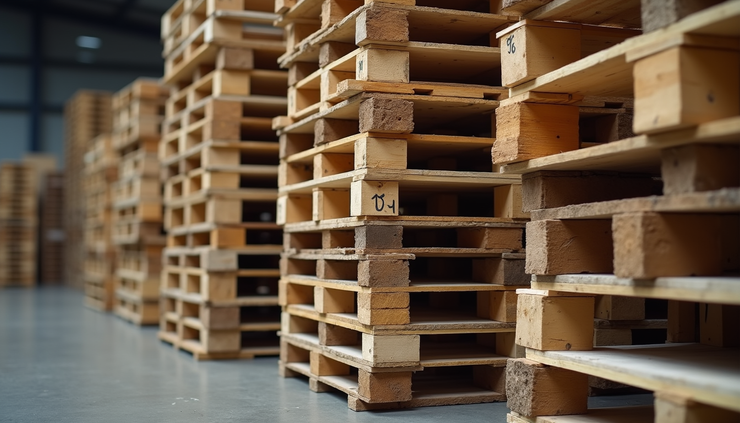
The project also expanded a pallet circularity initiative by 50%. Pallets, often discarded after single use, were collected, repaired, and reused, reducing waste and procurement costs. This practical example of circular economy principles showed how materials can stay in use longer, reducing environmental impact.
Other circular economy actions included:
Composting organic waste in 2 business units, diverting food scraps from landfills
Launching a plastic lid collection campaign in 5 units, with collected lids donated for social causes
These efforts combined to increase recycling rates to 80%, a fivefold improvement that demonstrates the power of coordinated waste management.

Education and Engagement as Drivers of Change
Education played a vital role in the project’s success. Four training sessions and three awareness campaigns were delivered to employees, focusing on:
Proper waste segregation techniques
The benefits of recycling and composting
The importance of circular economy principles for sustainability
These sessions helped build a culture of responsibility and engagement. Employees became active participants rather than passive observers, which is essential for lasting change.
Engagement extended beyond training. The plastic lid collection campaign motivated employees by linking recycling to social donation, creating a tangible connection between waste management and community benefit. This approach increased participation and reinforced the company’s sustainability values.
Reporting Progress and Supporting UN 2030 Goals
The project included regular reporting aligned with the UN Global Compact commitment. Progress was tracked and communicated transparently, showing measurable improvements in waste diversion and circularity. This reporting helped maintain momentum and demonstrated accountability to stakeholders.
By advancing circular waste management, the company contributed to several UN Sustainable Development Goals, including:
Responsible consumption and production (Goal 12)
Climate action (Goal 13)
Sustainable cities and communities (Goal 11)
This alignment with global goals enhances corporate reputation and supports broader environmental objectives.
Practical Lessons for Corporate Sustainability
This case offers practical insights for other organizations aiming to improve waste management:
Centralize waste management to ensure consistency and compliance
Design waste streams thoughtfully to maximize recycling and circularity
Use education and engagement to build employee participation
Track and report progress transparently to maintain accountability
Link waste initiatives to social and environmental goals for greater impact
By combining these elements, companies can significantly increase recycling rates and advance circular economy practices.


Comments